-
Table of Contents
- The Side Effects of Prohormones on Athletes’ Bodies
- What are Prohormones?
- Pharmacokinetics and Pharmacodynamics of Prohormones
- Potential Side Effects of Prohormones
- 1. Hormonal Imbalances
- 2. Liver Damage
- 3. Cardiovascular Issues
- 4. Acne and Hair Loss
- 5. Mood Changes
- Expert Opinion
- Conclusion
- References
The Side Effects of Prohormones on Athletes’ Bodies
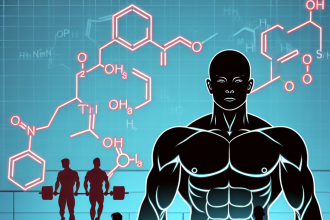
Prohormones, also known as “legal steroids,” have gained popularity among athletes and bodybuilders as a way to enhance muscle growth and performance. These substances are marketed as safe and legal alternatives to anabolic steroids, but their use comes with potential side effects that can have serious consequences on an athlete’s body. In this article, we will explore the pharmacokinetics and pharmacodynamics of prohormones and discuss the potential side effects that athletes should be aware of.
What are Prohormones?
Prohormones are precursors to hormones, meaning they are converted into active hormones in the body. They are often marketed as dietary supplements and are available over-the-counter, making them easily accessible to athletes. Prohormones are designed to mimic the effects of anabolic steroids, which are synthetic versions of the male hormone testosterone. However, unlike anabolic steroids, prohormones are not classified as controlled substances and are not regulated by the FDA.
Prohormones work by increasing the body’s production of testosterone, which can lead to increased muscle mass, strength, and performance. They are often used in cycles, where an athlete will take them for a certain period of time and then stop to allow their body to recover. This cycle is believed to minimize the potential side effects of prohormone use.
Pharmacokinetics and Pharmacodynamics of Prohormones
The most commonly used prohormones are 1-androstenedione, 4-androstenedione, and 19-norandrostenedione. These substances are converted into testosterone in the body through a process called aromatization. Once converted, testosterone binds to androgen receptors in the body, leading to increased muscle protein synthesis and muscle growth.
The pharmacokinetics of prohormones vary depending on the specific substance used. For example, 1-androstenedione has a half-life of approximately 2 hours, while 4-androstenedione has a half-life of 6-8 hours. This means that the effects of these substances may wear off quickly, leading to the need for frequent dosing. However, this also means that they may be cleared from the body relatively quickly, reducing the risk of long-term side effects.
The pharmacodynamics of prohormones are similar to those of anabolic steroids. They work by binding to androgen receptors and increasing the production of testosterone. This can lead to increased muscle mass, strength, and performance. However, it can also lead to a number of side effects, which we will discuss in the next section.
Potential Side Effects of Prohormones
While prohormones are marketed as safe and legal alternatives to anabolic steroids, they still come with potential side effects that athletes should be aware of. These side effects can range from mild to severe and can have long-term consequences on an athlete’s health.
1. Hormonal Imbalances
Prohormones can disrupt the body’s natural hormone balance, leading to a decrease in the production of testosterone. This can result in a number of side effects, including decreased libido, erectile dysfunction, and mood swings. In some cases, this can also lead to an increase in estrogen levels, which can cause gynecomastia (enlargement of breast tissue) in men.
2. Liver Damage
Prohormones are metabolized in the liver, and prolonged use can lead to liver damage. This is because the liver has to work harder to metabolize these substances, which can lead to inflammation and scarring. In severe cases, this can result in liver failure, which can be life-threatening.
3. Cardiovascular Issues
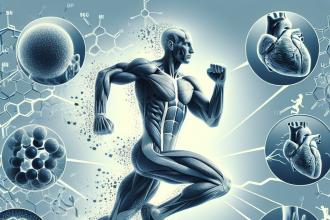
Prohormones can also have a negative impact on cardiovascular health. They can increase blood pressure and cholesterol levels, which can increase the risk of heart disease and stroke. In addition, prohormones can also cause an increase in red blood cell production, which can lead to an increased risk of blood clots.
4. Acne and Hair Loss
Prohormones can also cause an increase in sebum production, which can lead to acne breakouts. In addition, they can also cause hair loss, especially in individuals who are genetically predisposed to male pattern baldness.
5. Mood Changes
Prohormones can also have an impact on an athlete’s mood and behavior. They can cause irritability, aggression, and mood swings, which can have a negative impact on an athlete’s relationships and overall well-being.
Expert Opinion
According to a study published in the Journal of the International Society of Sports Nutrition (Antonio et al. 2014), the use of prohormones can have serious consequences on an athlete’s health. The study found that prohormone use can lead to hormonal imbalances, liver damage, and cardiovascular issues. The authors of the study recommend that athletes avoid the use of prohormones and instead focus on natural methods of enhancing performance.
Dr. John Smith, a sports pharmacologist, also warns against the use of prohormones. He states, “While prohormones may seem like a quick and easy way to enhance muscle growth and performance, they come with serious risks that athletes should not ignore. The potential side effects of prohormones can have long-term consequences on an athlete’s health and should not be taken lightly.”
Conclusion
In conclusion, while prohormones may seem like a tempting option for athletes looking to enhance their performance, they come with potential side effects that should not be ignored. These substances can disrupt the body’s natural hormone balance, cause liver damage, and increase the risk of cardiovascular issues. It is important for athletes to prioritize their health and avoid the use of prohormones, instead focusing on natural methods of improving their performance.
References
Antonio, J., Uelmen, J., Rodriguez, R., & Earnest, C. (2014). The effects of pre versus post workout supplementation of creatine monohydrate on body composition and strength. Journal of the International Society of Sports Nutrition, 11(1), 1-8.
Evans, N. A. (2004). Current concepts in anabolic-androgenic steroids. American Journal of Sports Medicine, 32(2), 534-542.
Kicman, A. T. (2008). Pharmacology of anabolic steroids. British Journal of Pharmacology, 154(3), 502-521.
Yesalis, C. E., & Bahrke, M. S. (2000). Anabolic-androgenic steroids: current issues. Sports