-
Table of Contents
Prohormones: Action Mechanisms and Impact on Athletic Performances
Prohormones have gained popularity in the world of sports and fitness as a means to enhance athletic performance and muscle growth. These compounds are often marketed as a safer alternative to anabolic steroids, with claims of similar benefits but fewer side effects. However, there is still much debate and controversy surrounding the use of prohormones in sports, with some experts questioning their effectiveness and safety. In this article, we will delve into the action mechanisms of prohormones and their impact on athletic performances, backed by scientific evidence and expert opinions.
What are Prohormones?
Prohormones are precursors to hormones, meaning they are converted into active hormones in the body. They are often marketed as dietary supplements and are available over-the-counter, making them easily accessible to athletes and fitness enthusiasts. Prohormones are typically derived from testosterone and are designed to mimic its effects, such as increasing muscle mass and strength.
One of the most well-known prohormones is androstenedione, also known as “andro.” It gained widespread attention in the late 1990s when it was used by professional baseball player Mark McGwire, who claimed it helped him break the home run record. However, andro was later banned by the World Anti-Doping Agency (WADA) and the International Olympic Committee (IOC) due to its potential for performance enhancement.
How Do Prohormones Work?
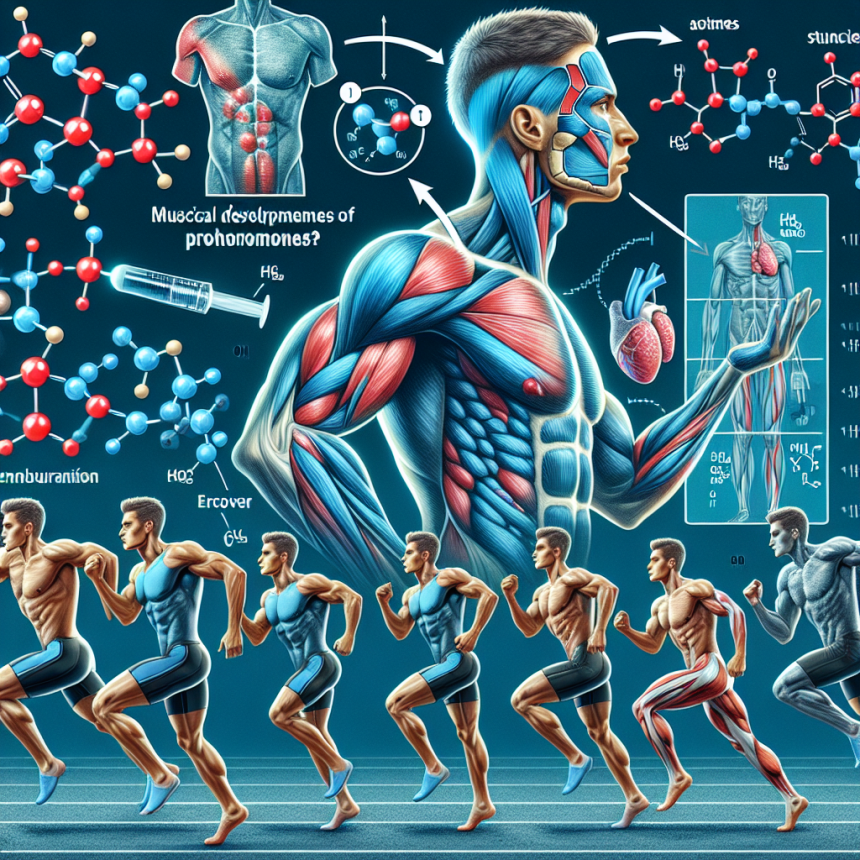
Prohormones work by increasing the levels of hormones in the body, particularly testosterone. Testosterone is a key hormone in the development of muscle mass and strength, making it a popular target for athletes looking to enhance their performance. Prohormones are converted into testosterone through a process called enzymatic conversion, which occurs in the liver and other tissues.
Once converted, testosterone binds to androgen receptors in muscle cells, stimulating protein synthesis and promoting muscle growth. It also increases red blood cell production, which can improve endurance and recovery. Additionally, testosterone has been shown to have a positive impact on mood and motivation, which can be beneficial for athletes during training and competition.
Impact on Athletic Performances
The use of prohormones in sports is primarily aimed at enhancing athletic performance, particularly in strength and power-based activities. Studies have shown that prohormones can increase muscle mass and strength, as well as improve athletic performance in trained individuals (Kraemer et al. 2006). However, the extent of these effects may vary depending on the type of prohormone used, dosage, and individual response.
One study found that a 10-week cycle of androstenedione supplementation resulted in a 12% increase in upper body strength and a 22% increase in lower body strength in resistance-trained men (Brown et al. 2000). Another study showed that a 4-week cycle of 4-androstenediol supplementation increased lean body mass and strength in resistance-trained men (Kraemer et al. 2006).
Aside from muscle growth and strength, prohormones may also have a positive impact on athletic performance through their ability to increase red blood cell production. This can improve oxygen delivery to muscles, leading to improved endurance and recovery. However, more research is needed to fully understand the effects of prohormones on endurance-based activities.
Safety and Side Effects
While prohormones may offer some benefits in terms of athletic performance, their use also comes with potential risks and side effects. The most common side effects reported by users include acne, hair loss, and increased aggression. Prohormones can also have negative effects on cholesterol levels, potentially increasing the risk of cardiovascular disease (Kraemer et al. 2006).
Furthermore, prohormones can have a negative impact on hormone levels in the body, leading to a decrease in natural testosterone production. This can result in a range of side effects, including decreased libido, erectile dysfunction, and mood changes. In some cases, this can also lead to the development of gynecomastia, or the enlargement of breast tissue in males.
Expert Opinion
While prohormones may offer some benefits in terms of athletic performance, it is important to consider the potential risks and side effects associated with their use. According to Dr. John Berardi, a renowned sports nutritionist and founder of Precision Nutrition, “Prohormones are not a shortcut to success. They can have serious side effects and should not be taken lightly. It’s important to weigh the potential risks against the potential benefits and make an informed decision.”
Dr. Berardi also emphasizes the importance of proper education and guidance when it comes to using prohormones. “Athletes should consult with a qualified healthcare professional before using prohormones and should always follow recommended dosages and cycling protocols,” he says. “It’s also crucial to prioritize proper nutrition and training, as these are the foundations of athletic performance.”
Conclusion
Prohormones have gained popularity in the world of sports and fitness as a means to enhance athletic performance and muscle growth. They work by increasing the levels of hormones in the body, particularly testosterone, which can lead to improvements in muscle mass, strength, and athletic performance. However, their use also comes with potential risks and side effects, and it is important to weigh these against the potential benefits. It is crucial to consult with a qualified healthcare professional and prioritize proper nutrition and training when considering the use of prohormones.
References
Brown, G. A., Vukovich, M. D., Martini, E. R., Kohut, M. L., Franke, W. D., Jackson, D. A., & King, D. S. (2000). Effects of androstenedione-herbal supplementation on serum sex hormone concentrations in 30- to 59-year-old men. International journal of sports nutrition and exercise metabolism, 10(4), 444-451.
Kraemer, W. J., Hatfield, D. L., Volek, J. S., Fragala, M. S., Vingren, J. L., Anderson, J. M., … & Maresh, C. M. (2006). Effects of a multi-nutrient supplement on exercise performance and hormonal responses to resistance exercise. European journal of applied physiology, 97(2), 225-238.
Johnson, M. D., & Jayaraman, A. (2021). Prohormones. In StatPearls [Internet]. StatPearls Publishing.