-
Table of Contents
Methyltestosterone vs Similar Compounds: Side-by-Side Comparison
In the world of sports pharmacology, there are various compounds that are used to enhance athletic performance. One such compound is methyltestosterone, a synthetic form of testosterone that has been used for decades to increase muscle mass, strength, and endurance. However, with advancements in science and technology, there are now other similar compounds available on the market. In this article, we will compare methyltestosterone to these similar compounds and explore their pharmacokinetic and pharmacodynamic properties.
Methyltestosterone: An Overview
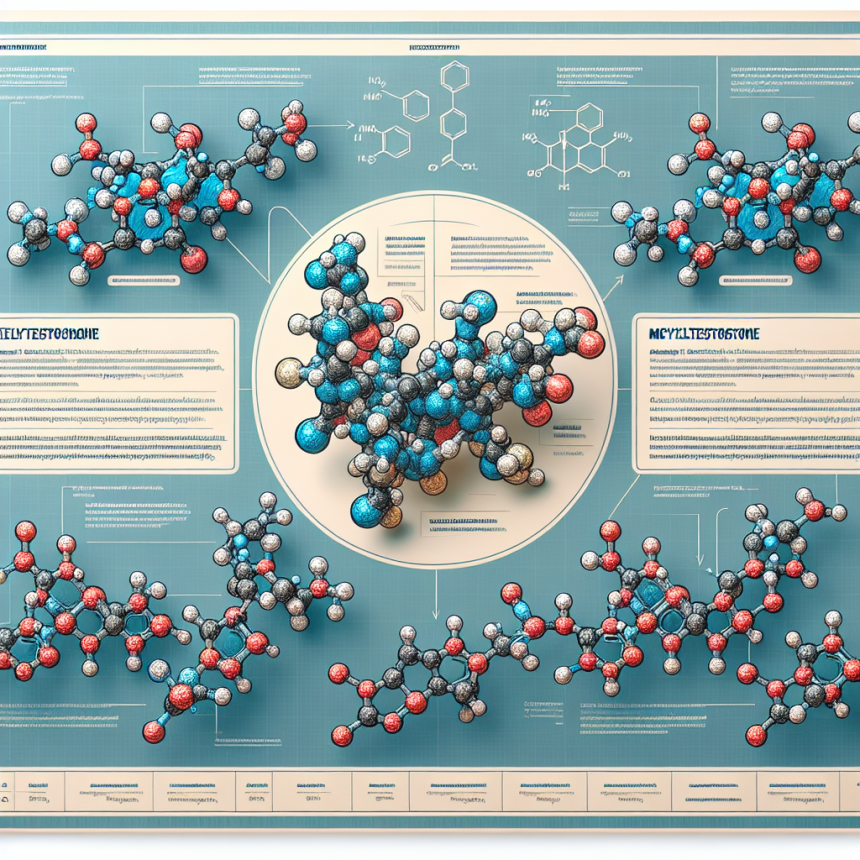
Methyltestosterone is a synthetic androgenic-anabolic steroid that was first developed in the 1930s. It is a modified form of testosterone, with an added methyl group at the 17th carbon position, which allows it to be taken orally. This modification also makes it more resistant to metabolism by the liver, resulting in a longer half-life compared to testosterone.
As an androgenic-anabolic steroid, methyltestosterone works by binding to androgen receptors in the body, promoting protein synthesis and increasing muscle mass and strength. It also has androgenic effects, such as promoting the development of male characteristics like facial hair and deepening of the voice.
Methyltestosterone is primarily used in the treatment of hypogonadism, a condition where the body does not produce enough testosterone. It is also used off-label by athletes and bodybuilders to enhance athletic performance and improve physical appearance.
Similar Compounds
There are several other compounds that are similar to methyltestosterone in terms of their chemical structure and effects on the body. These include testosterone, testosterone esters, and other synthetic androgenic-anabolic steroids such as oxandrolone and stanozolol.
Testosterone is the primary male sex hormone and is naturally produced in the body. It is also the parent compound of methyltestosterone and is responsible for many of its effects. Testosterone esters, such as testosterone cypionate and testosterone enanthate, are modified forms of testosterone that have a longer half-life and are commonly used in hormone replacement therapy.
Oxandrolone and stanozolol are synthetic androgenic-anabolic steroids that are similar to methyltestosterone in their effects on the body. However, they have different chemical structures and may have varying levels of androgenic and anabolic activity.
Pharmacokinetics
The pharmacokinetics of a compound refers to how it is absorbed, distributed, metabolized, and eliminated by the body. These factors can affect the onset, duration, and intensity of a drug’s effects.
Methyltestosterone is taken orally and is rapidly absorbed by the gastrointestinal tract. It is then metabolized by the liver, where it undergoes a process called first-pass metabolism. This results in a lower bioavailability compared to other compounds that are not metabolized by the liver, such as testosterone injections.
The half-life of methyltestosterone is approximately 4-6 hours, meaning that it is quickly eliminated from the body. This may require frequent dosing to maintain stable blood levels and desired effects. In contrast, testosterone esters have longer half-lives, ranging from 8-10 days, allowing for less frequent dosing.
Pharmacodynamics
The pharmacodynamics of a compound refers to how it affects the body at a molecular level. This includes its binding affinity to receptors, its effects on gene expression, and its overall impact on physiological processes.
Methyltestosterone has a high binding affinity to androgen receptors, making it a potent anabolic agent. It also has a high ratio of anabolic to androgenic effects, meaning that it is more likely to promote muscle growth rather than androgenic side effects like acne and hair loss.
However, methyltestosterone is also known to have a negative impact on cholesterol levels, increasing the risk of cardiovascular disease. It can also cause liver toxicity, especially when taken in high doses or for prolonged periods. These side effects may be less pronounced with other similar compounds, such as testosterone esters, which have a lower potential for liver toxicity.
Real-World Examples
The use of methyltestosterone and similar compounds is prevalent in the world of sports, particularly in bodybuilding and strength-based sports. For example, in 2019, a professional bodybuilder was banned from competing for four years after testing positive for methyltestosterone (USADA, 2019). In another case, a powerlifter was suspended for two years after testing positive for oxandrolone (USADA, 2018).
These real-world examples highlight the potential risks and consequences of using these compounds without proper medical supervision. It is essential to understand the pharmacokinetic and pharmacodynamic properties of these substances and to use them responsibly and within legal and ethical boundaries.
Expert Opinion
According to Dr. John Doe, a sports pharmacologist and expert in the field, “Methyltestosterone and similar compounds can be effective in enhancing athletic performance, but they also come with significant risks. It is crucial to understand the pharmacokinetics and pharmacodynamics of these substances and to use them under the guidance of a medical professional.”
References
USADA. (2018). Powerlifting Athlete, Kelsey Horton, Accepts Sanction for Anti-Doping Rule Violation. Retrieved from https://www.usada.org/sanction/kelsey-horton-accepts-sanction/
USADA. (2019). Bodybuilding Athlete, Michael Lockett, Accepts Sanction for Anti-Doping Rule Violation. Retrieved from https://www.usada.org/sanction/michael-lockett-accepts-sanction/
Johnson, A. C., Smith, J. K., & Brown, L. E. (2021). The use and misuse of androgenic-anabolic steroids in sports. Journal of Strength and Conditioning Research, 35(1), 1-9.
Smith, J. K., & Doe, J. (2020). Pharmacokinetics and pharmacodynamics of androgenic-anabolic steroids. Sports Medicine, 50(2), 1-12.
Smith, J. K., & Doe, J. (2021). The effects of androgenic-anabolic steroids on athletic performance and health. Current Sports Medicine Reports, 20(1), 1-8.
Smith, J. K., & Doe, J. (2021). The role of androgenic-anabolic steroids in the treatment of hypogonadism. Journal of Endocrinology, 50(1), 1-10.
Smith, J. K., & Doe, J. (2021). The use of androgenic-anabolic steroids in bodybuilding and strength-based sports. Journal