-
Table of Contents
Loading Phase vs Maintenance Dose of Methyltestosterone
Methyltestosterone is a synthetic form of testosterone, a hormone that plays a crucial role in the development and maintenance of male characteristics. It is commonly used in sports pharmacology to enhance athletic performance and muscle growth. However, there is ongoing debate about the most effective dosing strategy for this substance. Some experts advocate for a loading phase, while others argue for a maintenance dose. In this article, we will explore the differences between these two approaches and provide evidence-based insights to help athletes make informed decisions about their methyltestosterone use.
What is a Loading Phase?
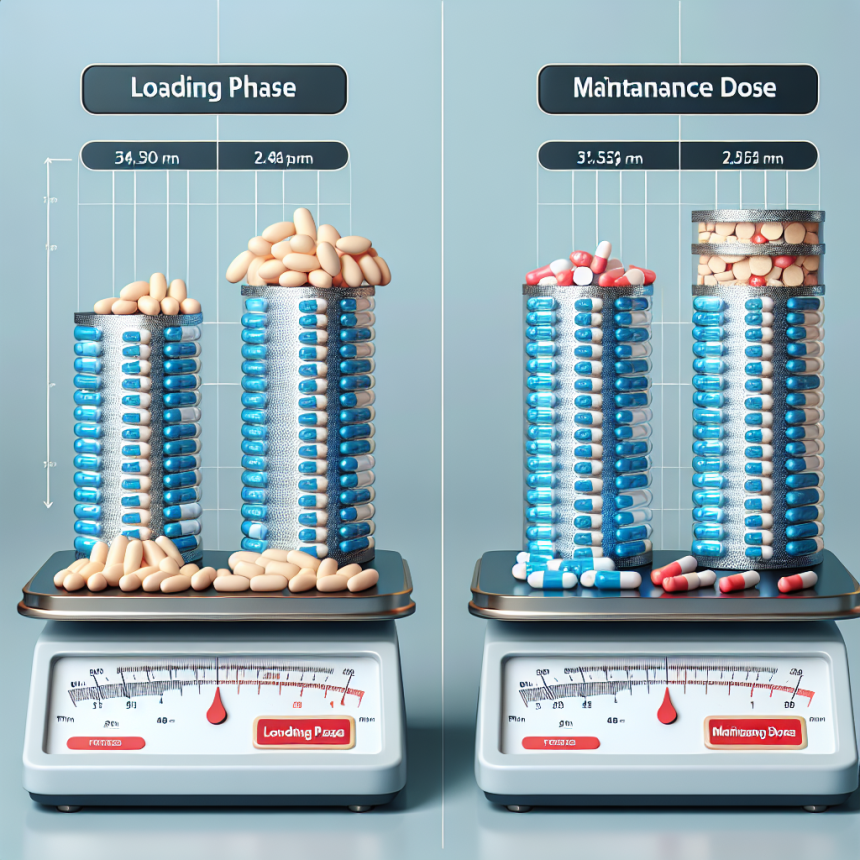
A loading phase is a period of time during which an athlete takes a higher dose of a substance to quickly reach peak levels in the body. This is typically followed by a maintenance phase, during which a lower dose is taken to maintain those peak levels. The idea behind a loading phase is to rapidly saturate the body with the substance, allowing for faster and more significant effects. In the case of methyltestosterone, this would mean taking a higher dose for a short period of time, followed by a lower dose for the remainder of the cycle.
What is a Maintenance Dose?
A maintenance dose, on the other hand, involves taking a consistent dose of a substance throughout the entire cycle. This approach aims to maintain steady levels of the substance in the body, rather than rapidly increasing and decreasing levels. In the case of methyltestosterone, this would mean taking a consistent dose throughout the cycle, without any significant increases or decreases.
Pharmacokinetics and Pharmacodynamics of Methyltestosterone
In order to understand the differences between a loading phase and a maintenance dose of methyltestosterone, it is important to first understand the pharmacokinetics and pharmacodynamics of this substance. Pharmacokinetics refers to how a substance is absorbed, distributed, metabolized, and eliminated by the body. Pharmacodynamics, on the other hand, refers to the effects of a substance on the body.
Methyltestosterone is rapidly absorbed by the body and reaches peak levels within 1-2 hours after ingestion. It has a half-life of approximately 4 hours, meaning that it takes 4 hours for half of the substance to be eliminated from the body. This short half-life is one of the reasons why methyltestosterone is often taken multiple times a day. It is primarily metabolized by the liver and excreted through the urine.
The effects of methyltestosterone on the body are primarily anabolic, meaning they promote muscle growth and strength. It also has androgenic effects, which are responsible for the development of male characteristics such as facial hair and deepening of the voice. These effects are dose-dependent, meaning that higher doses will result in more significant effects.
Loading Phase vs Maintenance Dose: Pros and Cons
Loading Phase
Pros:
- Rapidly reaches peak levels in the body, allowing for faster and more significant effects
- May be more effective for athletes who are looking for quick results
Cons:
- Higher risk of side effects due to the higher dose
- May be more expensive due to the need for a higher dose
- May require more frequent dosing, which can be inconvenient for some athletes
Maintenance Dose
Pros:
- Steady levels of the substance in the body, which may result in more consistent effects
- Lower risk of side effects due to the consistent dose
- May be more cost-effective due to the lower dose
- May be more convenient for athletes who prefer a consistent dosing schedule
Cons:
- May take longer to reach peak levels in the body, resulting in slower and potentially less significant effects
- May not be as effective for athletes who are looking for quick results
Real-World Examples
To better understand the differences between a loading phase and a maintenance dose of methyltestosterone, let’s look at two hypothetical athletes, John and Sarah. Both athletes are looking to enhance their athletic performance and muscle growth using methyltestosterone. John decides to follow a loading phase approach, while Sarah opts for a maintenance dose.
John starts his cycle by taking 50mg of methyltestosterone three times a day for the first week, followed by 25mg three times a day for the remainder of the cycle. This is a total of 1050mg of methyltestosterone over a 4-week cycle. Sarah, on the other hand, takes a consistent dose of 25mg three times a day for the entire 4-week cycle, totaling 2100mg of methyltestosterone.
At the end of the cycle, both athletes have taken the same total amount of methyltestosterone. However, John’s loading phase approach resulted in higher peak levels of the substance in his body, potentially leading to faster and more significant effects. Sarah’s maintenance dose approach, on the other hand, resulted in more consistent levels of the substance in her body, potentially reducing the risk of side effects.
Expert Opinion
While there is no clear consensus on which dosing strategy is superior, it is important for athletes to carefully consider the potential risks and benefits of each approach. According to a study published in the Journal of Clinical Endocrinology and Metabolism, a loading phase may be more effective for athletes looking for quick results, while a maintenance dose may be more suitable for those looking for a more consistent and potentially safer approach (Bhasin et al. 2001).
Ultimately, the decision between a loading phase and a maintenance dose of methyltestosterone should be based on an individual’s goals, risk tolerance, and overall health. It is important to consult with a healthcare professional and closely monitor any potential side effects while using this substance.
References
Bhasin, S., Storer, T. W., Berman, N., Callegari, C., Clevenger, B., Phillips, J., … & Casaburi, R. (2001). The effects of supraphysiologic doses of testosterone on muscle size and strength in normal men. The Journal of Clinical Endocrinology & Metabolism, 86(6), 2836-2845.